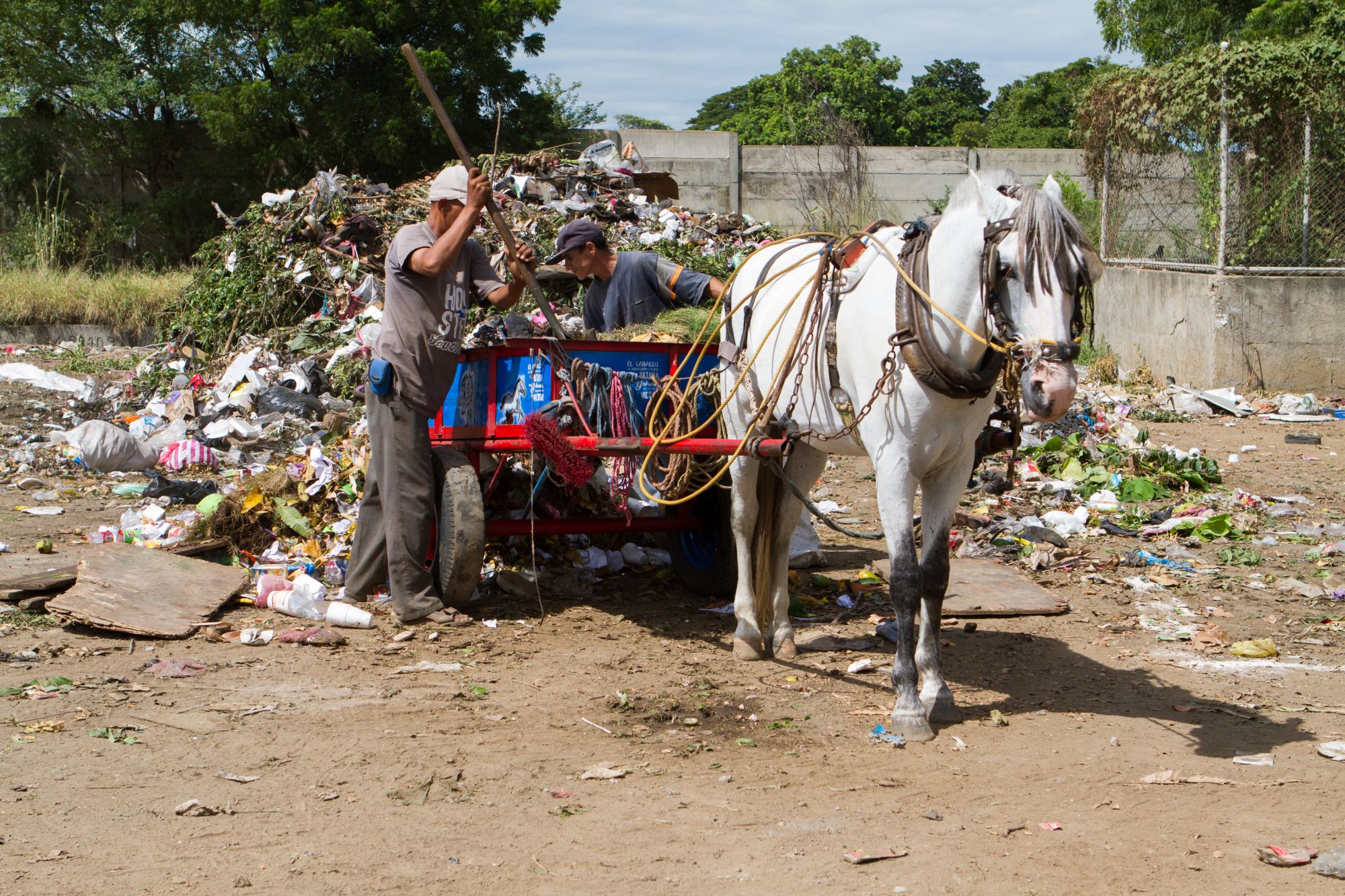
“One example which demonstrates these communities’ reliance on their working equines is that of 64 year-old Celienne who lives in the urban area of Thomazeau, Haiti. We met Celienne during our community based training activities. Celienne earns 4,000 goudes, around £50 per month, through agricultural work and relies on her mule, Brigan to not only transport all six members of her family but also to fetch water and to work the land so she can generate an income.
“We discovered that Brigan had a painful wound underneath his saddle which had been left untreated simply because Celienne had no understanding of how to deal with it nor of the pain and risk of infection for Brigan despite the fact that her family was so dependent on him. The wound was given immediate treatment by our project vets and a local vet was asked to help support Celienne moving forward. The wound quickly healed and Celienne now has the knowledge to help prevent it from happening in the future as well as where to go for help should Brigan need veterinary support again. Not only does this mean that Brigan’s welfare is safeguarded but it also means that he can continue helping Celienne support her family for many years to come.
“Celienne’s story is just one of many which not only demonstrates the essential role that working equines play in the lives of communities in developing countries but also highlights the lack of knowledge in how best to take care of their equines. Working with local partners such as governments, universities, human development organisations and sports regulators we can build an understanding of the cultures and challenges facing these people so that we can equip them with the knowledge and tools to better look after their equines resulting in sustainable improvements and behaviour change which have long-term benefits for the future.”
World Horse Welfare has named 2016 the year to highlight the world’s invisible equines who often suffer in silence as people either cannot or choose not to see them. The year-long campaign will highlight the plight of these equines, making them ‘visible’ so they can receive the care and protection they so desperately need with the first quarter of the year aimed at highlighting the number of foals born into uncertain futures and the wide-reaching impact this has on horse welfare.
From the horses left in barns and stables for weeks on end, to those working many hours every day on the streets of Choluteca in Honduras or Cape Town in South Africa who go unnoticed by governments and policymakers, to the horses transported long distances across borders to be slaughtered or to face uncertain futures and those who sadly are sometimes found too late. The charity will be focussing on a number of key themes as the year progresses including; foals and youngsters, rescue and rehoming, working equines around the world and campaigning to improve laws to protect horses.
For more information please call Carys Samuel on: 01953497248 or 07826 871 682 or Jessica Stark on: 07900 994002 or email caryssamuel@worldhorsewelfare. org / jessicastark@ worldhorsewelfare.org