Since the charity began in 1927, World Horse Welfare has been campaigning to put a stop to the needless long-distance journeys and Field Officer Tony Evans has seen the implications for horses first hand.
One particular journey from Poland to Italy meant the horses were travelled 1,400 miles by road with only one rest stop – totalling a huge 60 hours of travel. Tony said:
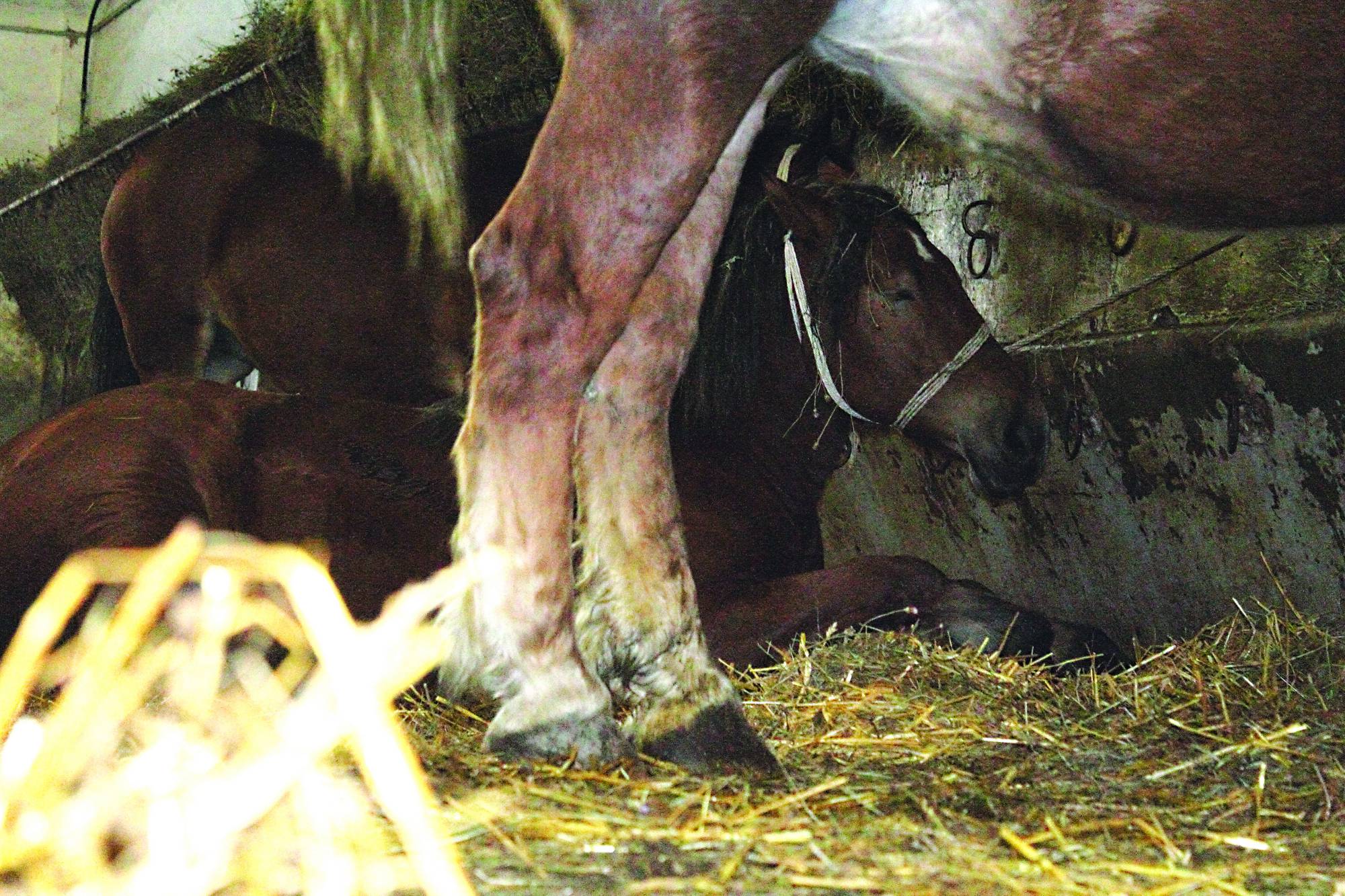
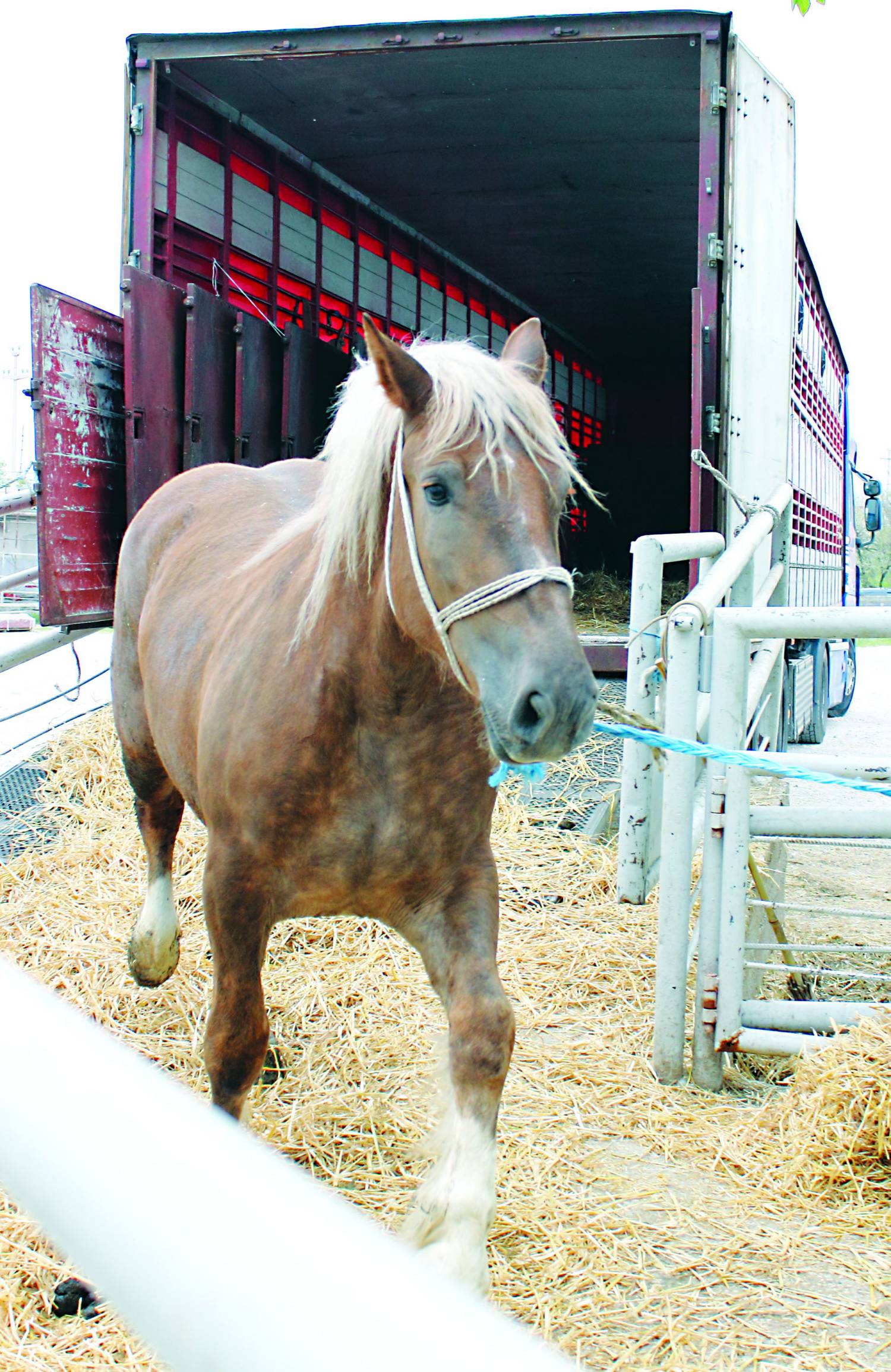
“I was in Northern Italy at a control post for horses. The lorry and its load of exhausted, stressed and frightened horses had just arrived after a 24-hour journey from Poland, through the Czech Republic, Slovakia, Hungary, Slovenia and on into Italy. They were being unloaded for a ‘rest’ of 24 hours before being transported for another 12 hours to their final destination, a slaughterhouse in Puglia in Southern Italy and I was part of a World Horse Welfare team to monitor and record the condition of the horses.
Many of the animals were walking unsteadily after the exhausting journey and some had feet so badly deformed that standing on them would have been painful for a few minutes, let alone a whole day. Stallions had been tethered at the rest stop next to mares, with young foals mixed in. With no water available during their journey, the horses were dehydrated and eager to drink as soon as they could. The horses were quiet, withdrawn and tense. It was a heartbreaking sight for anyone to see.”
This latest account comes as World Horse Welfare’s field team continues to gather evidence which will be detailed in reports to show the European Commission and other decision-makers that current laws allowing these journeys are causing horses to suffer. They are appealing for donations to help with the campaign – donate here now: www.worldhorsewelfare. org/appeal/transport
As a result of World Horse Welfare’s campaigning, there has already been important progress made with more horses now being transported in lorries with suitable partitions that reduce injuries and deaths – and according to official figures, the number of horses transported over long distances has dropped from 165,000 in 2001 to 54,000 in 2012.