

A horse suffering from SEA will present with coughing, nasal discharge and difficulty breathing (even at rest) which is caused by inflammation in the lungs and the mucus that is produced as a result. Studies which have attempted to pinpoint the exact genetic cause of predisposition to SEA have been unsuccessful, however it is known that a specific antibody binds with allergens found in the air in the stable (for example dust from hay), releasing inflammatory molecules such as histamine. This means that horses who are prone to suffering from SEA require careful stable management to limit exposure to allergens.
Airborne allergens found in dusty forage and bedding include fungi, pollen, bacteria and small insects or mites, with forage causing a greater issue for an equine as it naturally breathes in dust as it selects and then pulls at the hay or haylage as it eats it. Removing a horse suffering with SEA from stabling and giving them access to plenty of fresh, clean air will normally cause their symptoms to ease. In the very worst cases, hay or haylage may be omitted from the horse’s diet for the rest of its life, in order to prevent repeated episodes of SEA.
SEA was first associated with horses being stabled all the way back in 1656 by Markham, and the advice given then was to wet hay by sprinkling water over it. Since then our methods of managing the dust levels in forage has improved to soaking hay or haylage for a period of time before feeding it. This reduces the allergen particles a horse will breathe in for a short time but has also been found to increase the levels of bacteria in the forage, and allergen particle levels do not stay low in the long term. This means simply soaking forage will not prevent the reaction occurring in a horse prone to SEA and could actually aggravate the condition.
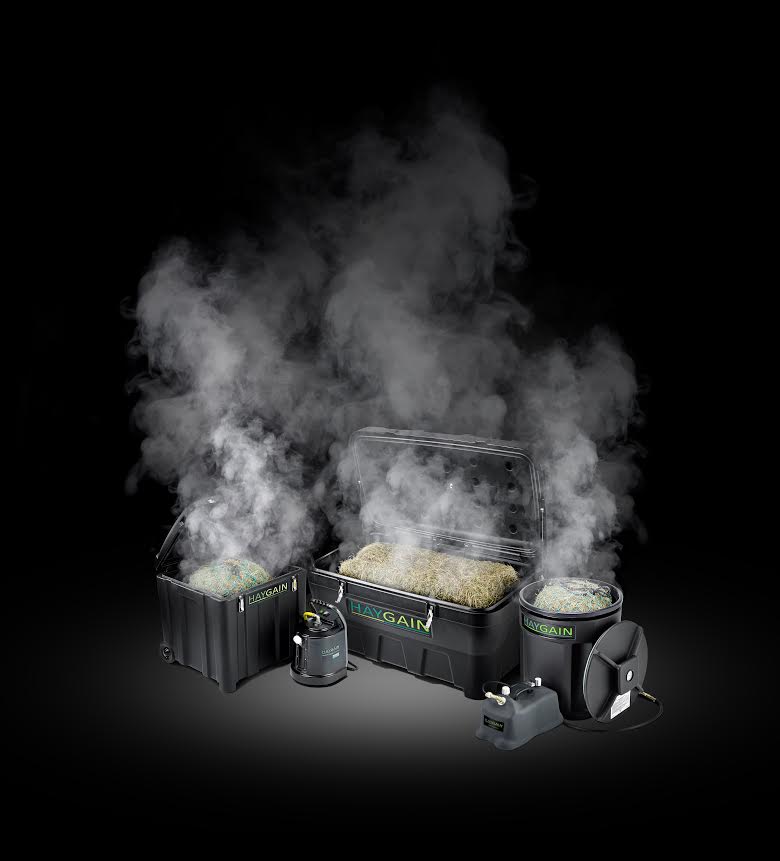
A study in 2016 showed that steaming forage at very high temperatures lowers the levels of respirable particles, (by as much as 98%) moulds and bacteria, meaning it is far safer to feed to horses at risk of developing a reaction. Direct comparisons between horses fed dry hay and steamed hay showed that those fed the dry hay presented with higher rates of the symptoms of SEA than those given steamed hay.
Most recently clinical studies have focused on identifying the particular allergens that trigger SEA and evaluating the interactions between specific allergens and antigens that result in reactions. The results should help veterinary professionals provide owners and stable managers with very specific management and treatment programmes for horses suffering from SEA, improving their welfare and performance.


